
Last updated August 25, 2026
Free on-site gate assessment - hinges, posts, and your LiftMaster or Nice gate operator checked before anything is quoted
The assessment is free and the quote is the invoice.
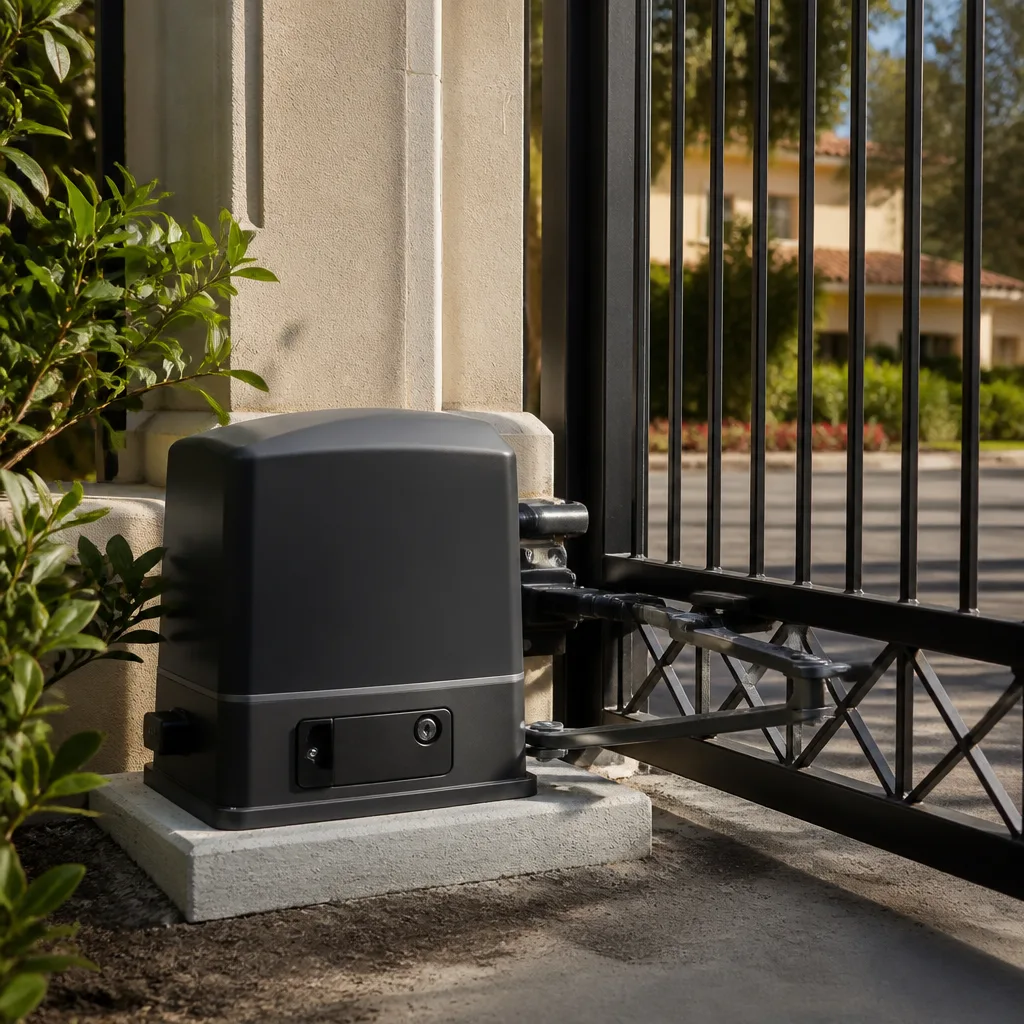
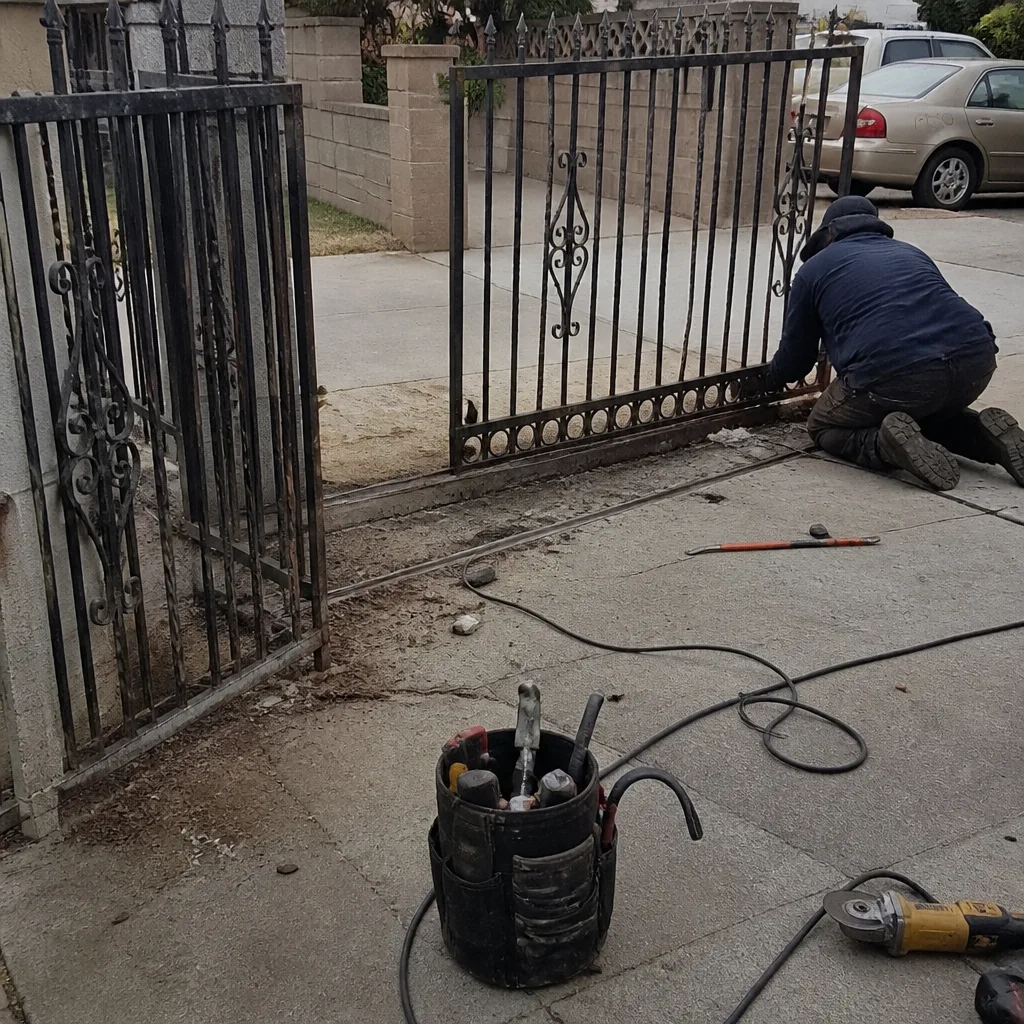 Before
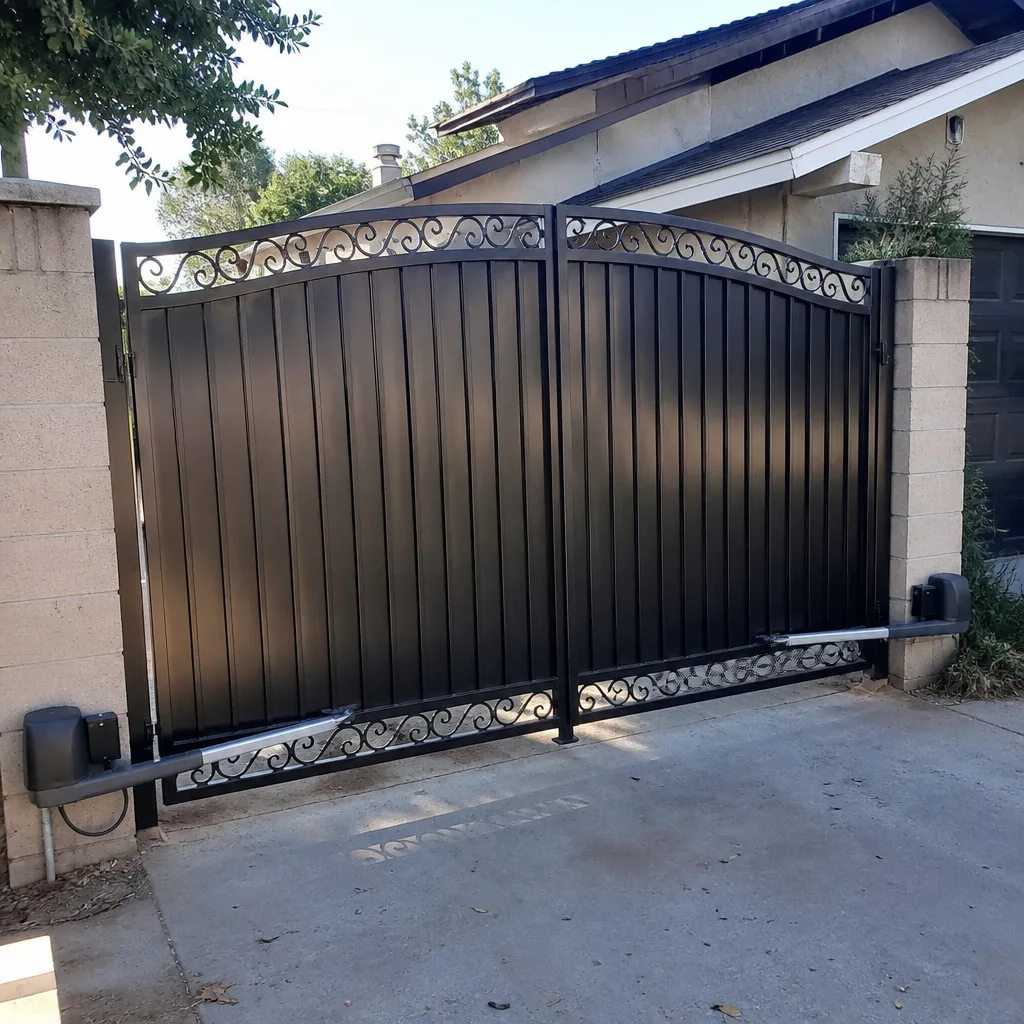 After
After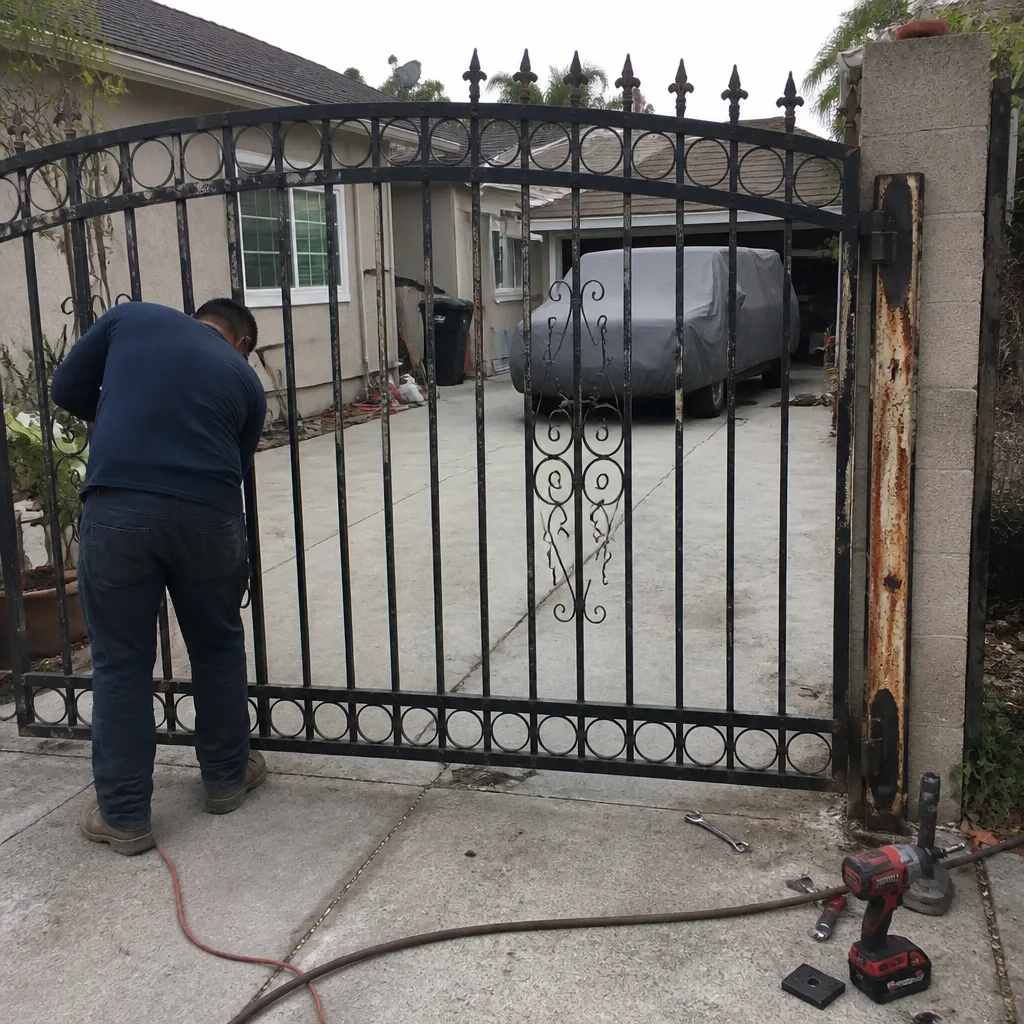 Before
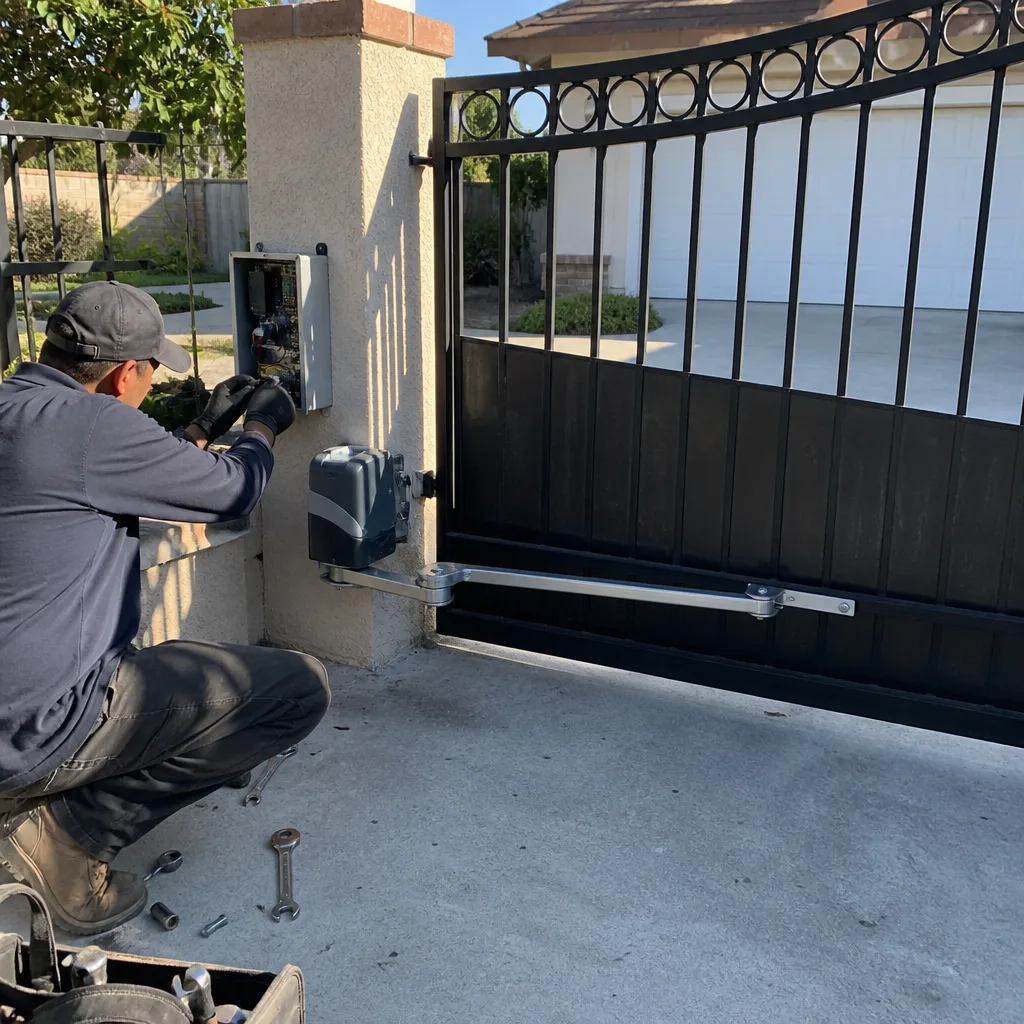 After
After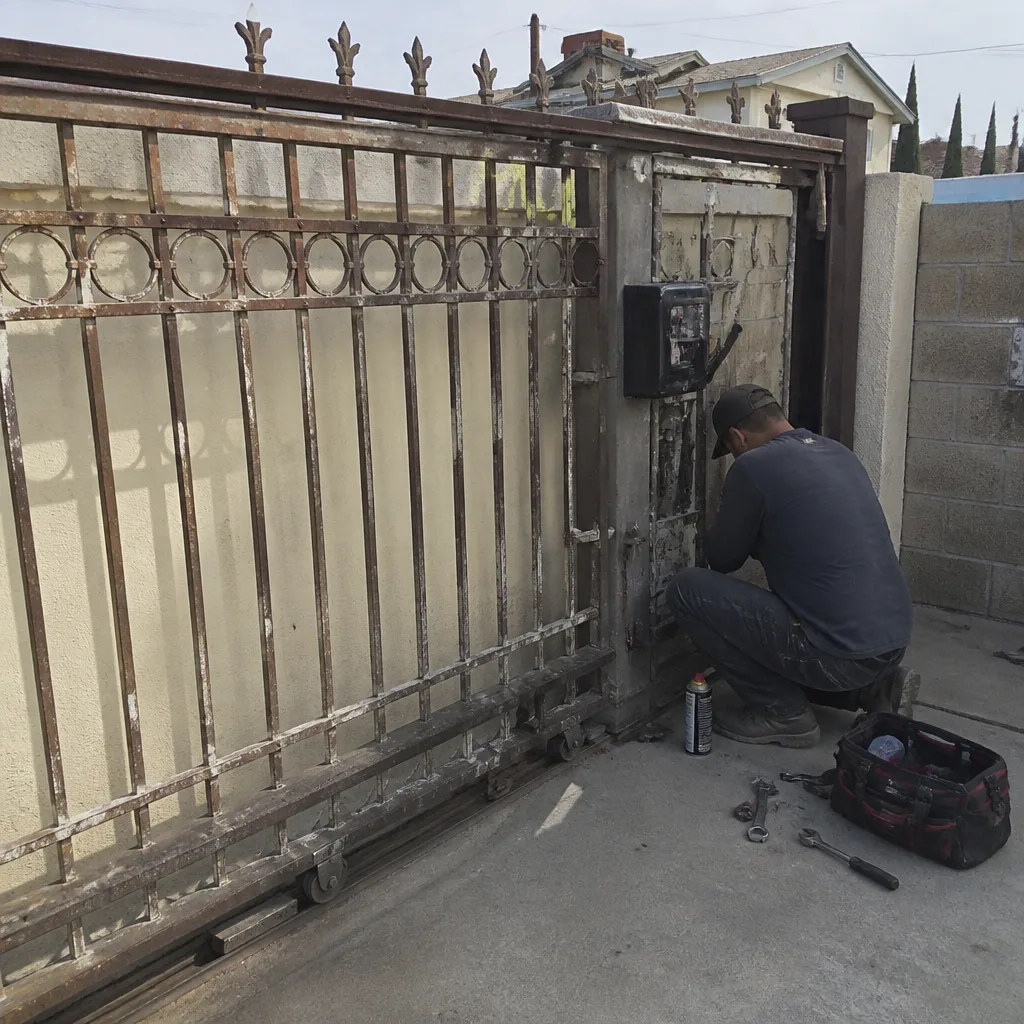 Before
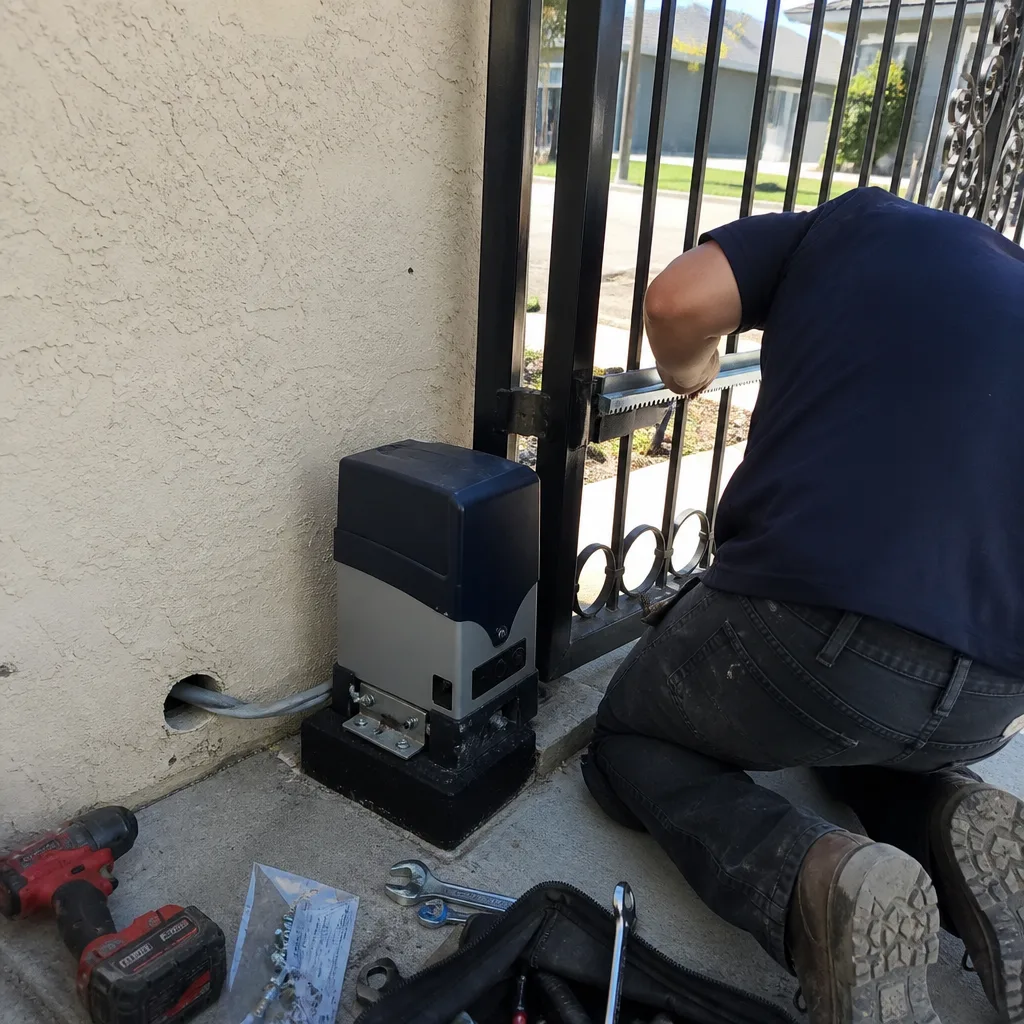 After
AfterSeasonal Gate Repair Care for El Monte: Year-Round Homeowner’s Guide
Most El Monte homeowners replace a gate opener motor three times before anyone thinks to ask why. The motor isn’t the weak point. It’s the hinge that’s been binding for six years, quietly burning the motor out with every cycle. A gate that groans in August and sticks in February isn’t being difficult. It’s telling you something in the only language it has. This guide covers what that language sounds like, season by season, in El Monte’s specific climate. By the end, you’ll know what to check each season, what to ignore, what to fix immediately, and what a fair repair costs before you ever pick up the phone.
Quick Answer
Seasonal gate care in El Monte means three things: lubricate hinges and rollers in spring, test the auto-reverse and photo eyes before the rainy months, and check for rust and track debris after Santa Ana winds. A properly maintained gate in this climate should run 12 to 18 years without a major repair. An ignored gate will eat a $450 motor every 4 years and need $300 in hinge work by year 7. Most seasonal damage in El Monte comes from three sources: UV exposure on plastic components, fine wind-blown grit from the San Gabriel Riverbed, and moisture in the winter months that accelerates rust on untreated steel.
Table of Contents
- What El Monte’s Climate Does to Your Gate
- Spring Gate Maintenance: The Reset Season
- Summer Heat and Gate Motors: What Actually Fails
- Fall Preparation: Santa Ana Winds and Grit
- Winter Rain, Rust, and Electrical Systems
- The 10-Minute Monthly Gate Checkup
- Repair or Replace: How to Know
- Common Mistakes to Avoid
What El Monte’s Climate Does to Your Gate
El Monte sits in the San Gabriel Valley, roughly 300 feet above sea level, with a semi-arid climate that swings between dry heat and short, concentrated wet spells. The city sees about 17 inches of rain a year, most of it falling between December and March. Summer temperatures routinely cross 95°F, and Santa Ana winds blow through the San Gabriel Riverbed corridor from October through February, carrying fine silt and sand.
For a driveway gate, that combination produces three specific problems. First, the sun degrades plastic components: photo eye housings, control board casings, and wire insulation all become brittle after 5 to 7 years of direct afternoon exposure on west-facing gates. Second, the wind drives grit into rollers, hinges, and the opener’s drive mechanism. That grit acts like sandpaper, wearing down bearing surfaces far faster than they’d wear on their own. Third, the winter moisture settles into any exposed raw metal, and rust forms quickly on untreated steel, especially at welds and hinge points where the factory coating has rubbed away.
In neighborhoods like Mountain View and Hayes Addition, where many homes have older steel gates from the 1970s and 1980s, we regularly see rust at the bottom corners where sprinkler overspray hits the gate every morning. The gate looks fine from the street. The bottom rail is quietly rusting through from the inside.
What this means practically: El Monte homeowners need a seasonal rhythm, not a random set of repairs. The climate punishes neglect on a predictable schedule. If you follow the schedule, you avoid the punishment.
Spring Gate Maintenance: The Reset Season
Spring is the season to undo whatever the winter left behind and prepare the gate for the longest stretch of daily use. You’re not fixing damage yet. You’re resetting the gate to a known good state. In El Monte, spring starts warming up in March, and the gate starts cycling more often as the whole household’s schedule picks up.
Here’s the spring maintenance sequence we use, in order:
- Clean the track and wheels. If you have a sliding gate, the track collects winter grit and organic debris. A stiff brush and a flathead screwdriver remove compacted material. Do not hose the track with water unless you’re going to dry it and lubricate after. Water chased by sun is how rust starts.
- Lubricate every moving part. Hinges, rollers, and the chain or screw drive on the opener all get a proper lubricant, not WD-40. A silicone-based lubricant or white lithium grease works. WD-40 is a degreaser; it strips lubrication and leaves metal dry within a week.
- Test the auto-reverse. Set a 2×4 on the ground under the gate’s path and run the gate closed. It should reverse immediately on contact. If it doesn’t, stop using the gate and call a professional. This is a safety system, not a convenience feature.
- Check the photo eyes. Clean the lenses with a dry cloth and verify the gate stops and reverses when you pass your hand through the beam. Misaligned photo eyes are the most common El Monte repair call between March and May.
- Inspect hinges and posts for movement. Push the gate laterally with one hand. If it moves more than a quarter inch at the hinge, the hinge bushings are wearing. A gate that slops and drops strains the motor, the hinge welds, and the latch, all at once.
El Monte building codes do not require a specific seasonal inspection, but if your gate is automated and serves more than one dwelling, the system falls under the state’s automatic gate operator safety standards. A homeowner doing their own seasonal check is legal. But if the gate fails a safety test, you’re required to repair it before use. We’ve seen too many homeowners prop a failing gate open with a bungee cord for six weeks while they wait for a “convenient time” to fix it. The gate falling on a car, a child, or a pet is not worth six weeks of deferred maintenance.
Summer Heat and Gate Motors: What Actually Fails
El Monte summers run from June through September, with peak temperatures above 95°F and occasional spikes past 105°F. The gate motor is working in direct heat, often inside a metal or black plastic housing that amplifies the temperature. That heat does predictable damage.
The thermal overload protector in most opener motors trips when the internal temperature exceeds roughly 160°F. On a 100°F El Monte afternoon with the gate housing in direct sun, a motor running a heavy gate can hit that threshold on the third or fourth cycle of the day. The gate stops mid-travel and won’t respond for 20 to 30 minutes. Homeowners assume the motor died. Most of the time, it’s the overload doing its job: the motor is overheating because it’s being asked to move a gate that binds, drags, or outweighs the motor’s rating.
The other summer failure point is the control board. Heat accelerates capacitor aging. A board that lives in a metal housing in El Monte’s August sun ages the equivalent of 3 years for every year of service. When a board fails in summer, the symptom is usually a dead keypad, a gate that opens but won’t close, or an opener that hums but doesn’t move.
What to do in summer:
- Run the gate only as a gate, not as a carport shade. Don’t leave it half-open to block the afternoon sun off the driveway. Half-open positions put constant load on the motor’s holding brake and the springs.
- Feel the motor housing with your hand on a hot day after two cycles. Warm is normal. Too hot to keep your hand on for 5 seconds means the motor is working too hard. That’s a binding gate, an undersized motor, or both.
- Check that the gate moves freely when the opener is disengaged. Pull the manual release and push the gate by hand. A single person should be able to move a properly balanced gate with one hand. If you can’t, the motor has been doing the fighting for you.
We carry LiftMaster and Mighty Mule openers because they’re the most common brands on El Monte driveways, and we keep FAAC and BFT parts for the estate gates in the northern foothill neighborhoods. But the same heat kills any brand equally. The motor brand doesn’t matter if the hinge is bound.
Fall Preparation: Santa Ana Winds and Grit
Santa Ana winds hit the San Gabriel Valley from October through February. The wind comes down through the passes and picks up dry, fine silt from the riverbed and the foothills. That silt is the single biggest mechanical threat to an El Monte gate. It’s small enough to get into roller bearings, hinge bushings, and the opener’s drive mechanism. It’s abrasive enough to wear steel against steel in months, not years.
Fall preparation is grime removal and fitment. The checklist:
- Brush and wipe the entire gate track. For sliding gates, a clean track is the difference between a gate that rolls and a gate that grinds. Compressed air works if you have it. Otherwise, a stiff nylon brush and a rag get it done.
- Clean the rollers and their bearings. Sliding gate rollers are the unsung workhorses. Wipe each roller, spin it by hand, and listen. A roller that rattles or spins unevenly is telling you it’s done.
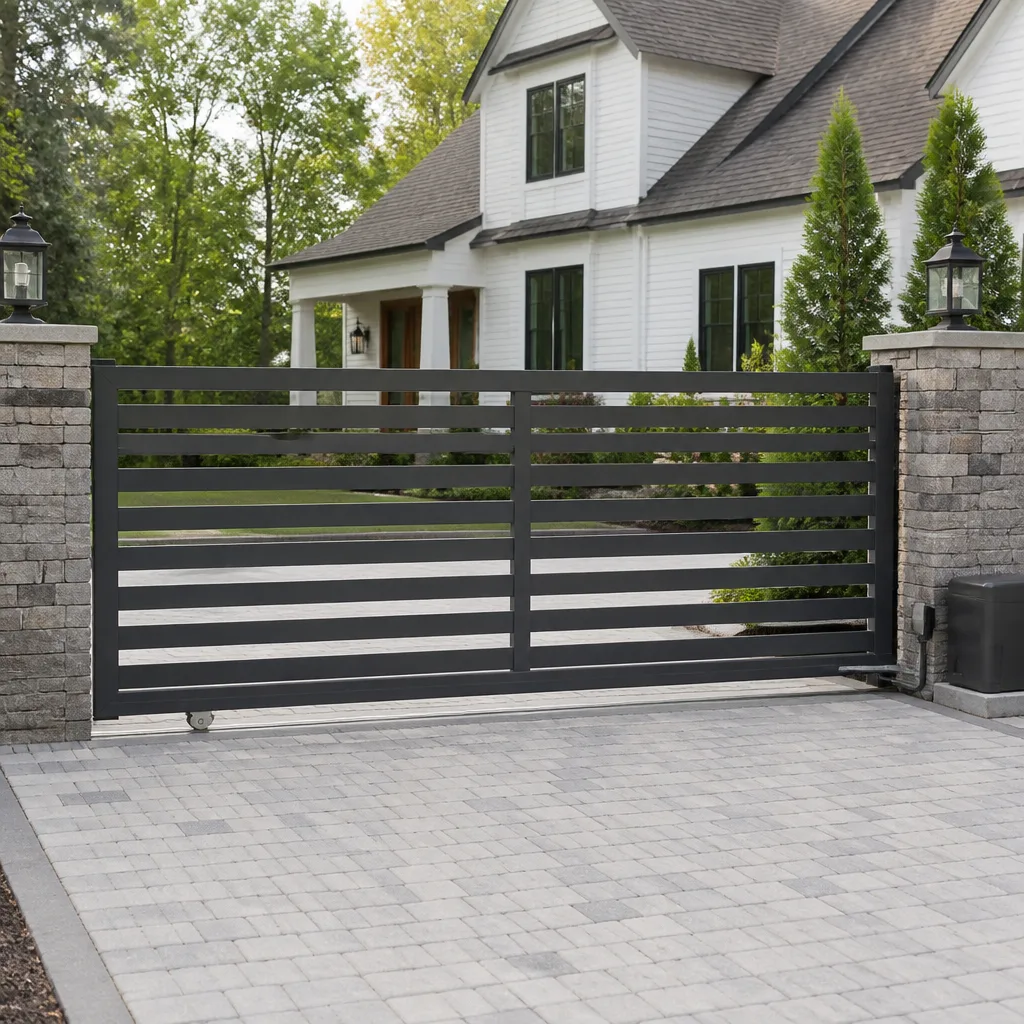
- Check the cantilever wheels, if your gate has them. Cantilever gates ride on wheels inside the gate frame, not on a ground track. Those wheels gather grit and wear flat. A cantilever gate that starts dragging at the leading edge has a flat-spotted wheel, and the fix is a wheel replacement, not a motor replacement.
- Tighten every visible bolt and hinge screw. Metal expands and contracts with temperature swings. Bolts work loose over a summer of heat cycling then a fall of cooler nights. A wobbling gate stresses welds and motor mounts.
- Check the chain or drive belt tension. Automatic openers use chains, belts, or screw drives. A chain that’s loose slaps and skips. A belt that’s loose slips. The manual for your opener gives the proper deflection, usually around a quarter inch of play at the midpoint.
If your gate faces north toward the foothills in the northern parts of El Monte, you’ll get more wind exposure than a gate tucked into the center of the city. Adjust expectations accordingly. A north-facing gate in a wind corridor needs this fall check done properly every single year, not every other year.
Winter Rain, Rust, and Electrical Systems
El Monte’s winter rain is concentrated. The city can see 4 inches in a week, then nothing for a month. That pattern is harder on a gate than steady drizzle would be. The dry stretches give rust time to take hold. The wet weeks do the damage, and the dry weeks let it set.
Winter priorities are electrical safety and corrosion control. The rundown:
- Inspect all wiring connections at the opener. Moisture works into the control board housing and corrodes terminals. A corroded connection creates resistance, resistance creates heat, and heat kills boards. This is why winter control board failures are so common in El Monte.
- Check the ground stake or wire on the opener. If your opener has an external ground, verify it’s intact. Standing water plus a missing ground equals a short that can take out the board and the keypad in one event.
- Repair any chipped or scratched paint on steel gates. Exposed steel plus El Monte winter moisture equals rust in weeks. A $12 bottle of rust-inhibiting touch-up paint, matched to the gate, is the cheapest repair in this entire guide.
- Keep the gate path free of standing water. If your gate swings over a low spot that holds water after a rain, the bottom of the gate sits in water every time it closes. Rust follows. The fix is soil grading, not constant repainting.
- Lubricate again before the rain arrives. A light coat of waterproof grease on hinges and rollers repels water. It’s not forever, but it buys you the wet season.
El Monte does not require special weatherproofing for residential gate openers beyond the manufacturer’s installation standards. But any licensed electrician or gate technician will tell you the same thing: water is the enemy of every electrical component, and the San Gabriel Valley’s winter rain finds every crack in a housing that was installed incorrectly or has degraded over time.
The 10-Minute Monthly Gate Checkup
This is the routine that keeps the seasonal maintenance from turning into seasonal repairs. Once a month, walk the gate and spend ten minutes on it. That’s the whole commitment.
- Watch the gate run one full cycle. Open it and close it. Watch the rollers, listen to the motor, and note anything that looks or sounds different from a month ago.
- Listen. A smooth gate hums quietly. A gate that needs help makes noise: grinding, squealing, popping, clunking. Any new noise is the gate asking for something specific.
- Look at the hinges and bottom corners. You’re checking for rust. Early rust is a surface issue. Rust that’s flaking or pitting is structural. Catch it in the first stage.
- Test the auto-reverse with a spare cardboard box. Don’t use your hand or your kid’s bike. A box is the right tool. It simulates a person or pet and tests the safety system without endangering anything.
- Check the keypad and remote range. If the gate stops responding reliably from the street, the receiver antenna or the keypad itself is failing. It’s easier to fix before it dies completely.
Ten minutes a month. Most El Monte homeowners we meet spend more time than that watering the lawn. The gate asks for less and does more, every single day.
Repair or Replace: How to Know
Every gate reaches a point where repair stops making sense. The trick is knowing where the line is before you’ve thrown money at a losing proposition.
A gate’s structure lasts far longer than its moving parts. A properly maintained steel gate can serve 40 years or more. Ironworks Gate Co. home has the welding capability to rebuild gates that other companies would send to the scrapyard. The frame, the bars, and the posts are almost always worth saving. The moving parts are consumables: rollers, hinges, opener motors, control boards, photo eyes, and keypads.
The decision framework, in order:
- Is the gate frame structurally sound? If the steel posts are solid, the frame welds are intact, and there’s no rust-through, the gate is worth repairing. This covers 90% of what we see in El Monte.
- Is the gate shape right for the property? If the gate is too short, too light, or wrong for the driveway, a new gate is the right call. Don’t spend $800 repairing a gate that needs to be $4,000, only to replace it in two years.
- Is the opener worth saving? Opener motors last 10 to 15 years in this climate with maintenance. If the motor is older than that and the board is failing, a new opener is usually the better choice than a board replacement on a motor with a year of life left.
- What does the math say? A rough rule: if the repair costs more than 60% of a full replacement, replace. A $500 repair on a gate and opener that would cost $900 to replace new is not a good deal.
El Monte’s housing stock skews older, and many gates were installed in the 1980s and 1990s. Iron gates from that era are heavy and built from decent steel. They are almost always worth keeping. The openers from that era are obsolete and not worth repairing.
Common Mistakes to Avoid
- Using WD-40 on hinges and rollers. WD-40 displaces water and strips grease. It cleans, then leaves the metal dry. Use silicone spray or white lithium grease on a gate.
- Ignoring a noisy gate until it stops moving. The noise is the earliest warning system you have. By the time the gate stops, the simple fix has become an expensive one.
- Replacing the motor when the hinge is the problem. A bound hinge overloads the motor and burns it out. If you don’t fix the binding, the new motor dies the same way the old one did. We see this pattern in El Monte all the time, often on the third motor.
- Painting over rust without removing it. Paint over rust traps moisture against the steel and the rust continues eating underneath. The rust must be wire-brushed or sanded away before paint goes on.
- Propping a failing gate open and living with it. A gate that’s tied open or propped with a board is a liability, not a gate. It’s also a sign to anyone watching that the home’s security has a hole in it.
- Buying the cheapest opener available. A $180 discount opener on a 600-pound iron gate will fail within 2 years, guaranteed. The opener rating has to match the gate’s weight and duty cycle. Penny-wise is pound-foolish, literally and figuratively.
- Forgetting that hinges and rollers are consumable parts. They wear out. Every single gate hinge has a service life. If you expect them to last forever, you’ll be surprised when they don’t, and the surprise always comes at the worst time.
When to Call a Professional
Some gate work is homeowner-appropriate: lubricating hinges, cleaning a track, testing the auto-reverse, touching up rust. Some is not. If the gate has come off its track, the hinge weld has cracked, or the opener’s control board is dead, call a professional. If the gate is heavy and you’re not sure how it’s counterbalanced, do not attempt to work on gate springs. High-tension gate springs hold enough stored energy to cause serious injury if they release while you’re working on them. A trained technician knows how to release and reset that tension safely. Ironworks Gate Co. offers free estimates in El Monte. Call (424) 300-8579 and Victor or one of the team will come out, look at the gate, and give you a written price before any work begins.
Frequently Asked Questions
Most gate repairs in El Monte run between $150 and $600, depending on the part and the labor. A hinge replacement typically costs $180 to $350. A control board replacement runs $250 to $500. A full opener motor replacement is $450 to $900 installed, depending on the gate’s weight and the opener brand. Hinge repairs, roller replacements, and alignment work are the most common repairs we do in El Monte neighborhoods like Mountain View and Norwood.
Lubricate hinges and rollers every 4 to 6 months in El Monte. The dry climate and wind-blown grit mean lubrication breaks down faster than in coastal areas. Spring and fall are the two natural times to do it, which works out to roughly every 5 months.
The motor’s thermal overload is tripping. El Monte summer heat pushes the motor past its safe operating temperature when the gate binds or the motor is undersized. The fix is usually not a new motor. The fix is removing whatever is making the motor work too hard, which is typically a hinge, roller, or track issue.
Yes. Ironworks Gate Co. is trained and equipped on nine major gate automation brands, including LiftMaster, FAAC, BFT, Linear, Viking, Ghost Controls, DoorKing, Elite, and Mighty Mule. Most parts for these brands are kept in stock on the truck, and most jobs are completed in a single visit.
Yes. Ironworks Gate Co. offers free estimates throughout El Monte and the surrounding San Gabriel Valley. Call (424) 300-8579 and a live person answers, 24 hours a day, 7 days a week. We’ll schedule a time to come out, look at the gate, and give you a written price before any work begins.
Every completed gate job from Ironworks Gate Co. is protected by a written 90-day guarantee. If something isn’t right, we come back and make it right. No paperwork, no arguing, no exceptions. That’s the Keystone Standard, and it’s been our policy on every job for over 42 years.
The Bottom Line
El Monte’s climate does specific, predictable things to driveway gates. The sun bakes plastic parts until they crack. The wind drives riverbed silt into rollers and bearings. The winter rain rusts exposed steel and corrodes electrical connections. None of this is mysterious, and none of it requires expensive intervention if you catch it early. Ten minutes a month, a proper lubrication schedule, and an honest assessment of whether a repair or replacement makes sense will keep most gates running for decades. When the work is beyond what you want to handle, call (424) 300-8579 for a free estimate. A live person answers, every time.
Written by Victor Salinas, Owner at Ironworks Gate Co., serving El Monte since 2013.