
Last updated August 25, 2026
Free on-site gate assessment - hinges, posts, and your LiftMaster or Nice gate operator checked before anything is quoted
The assessment is free and the quote is the invoice.
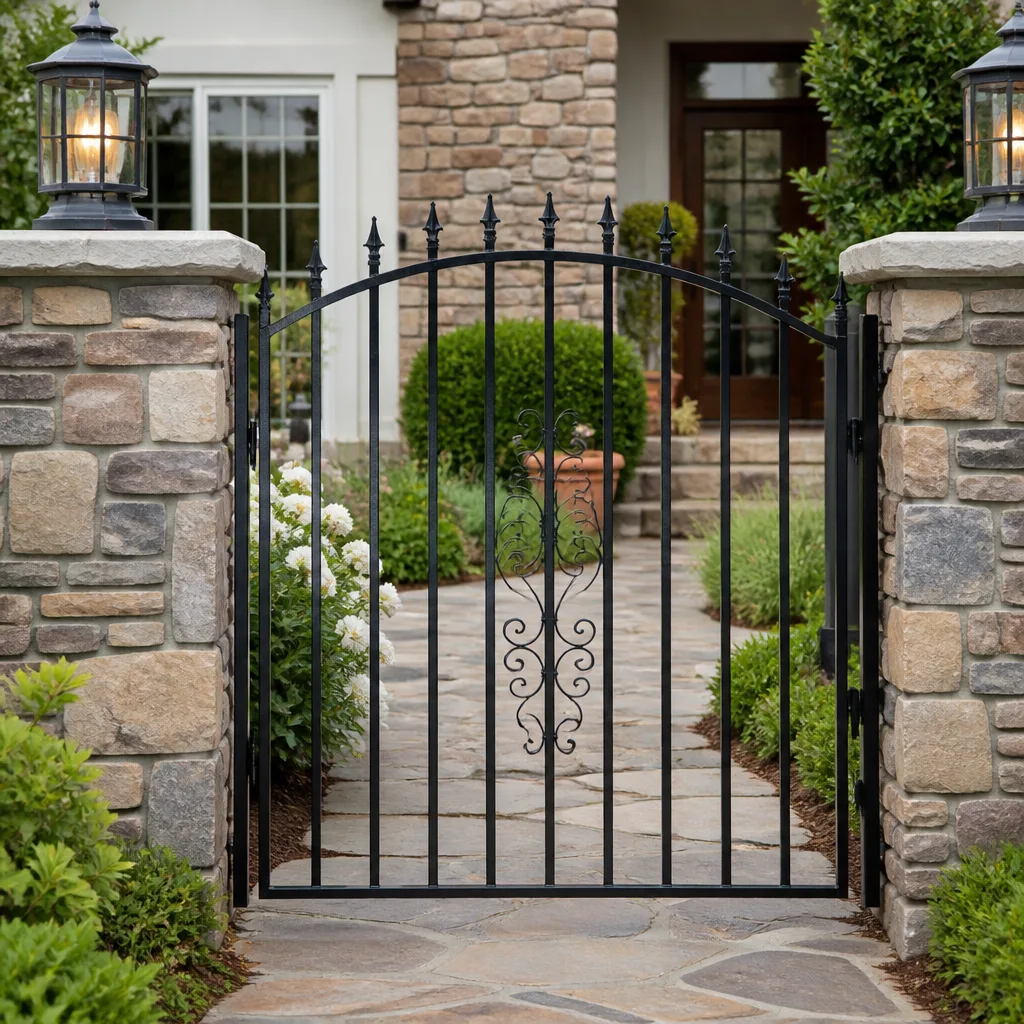
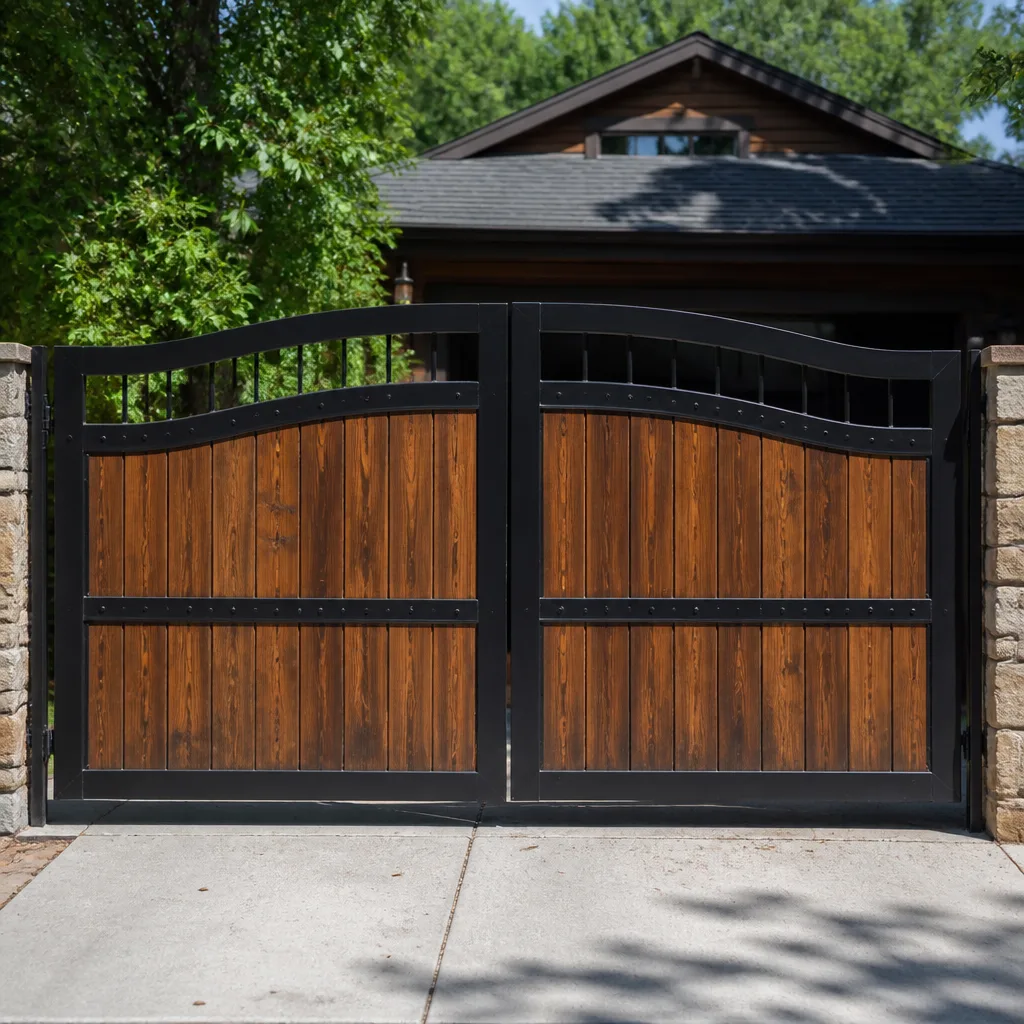
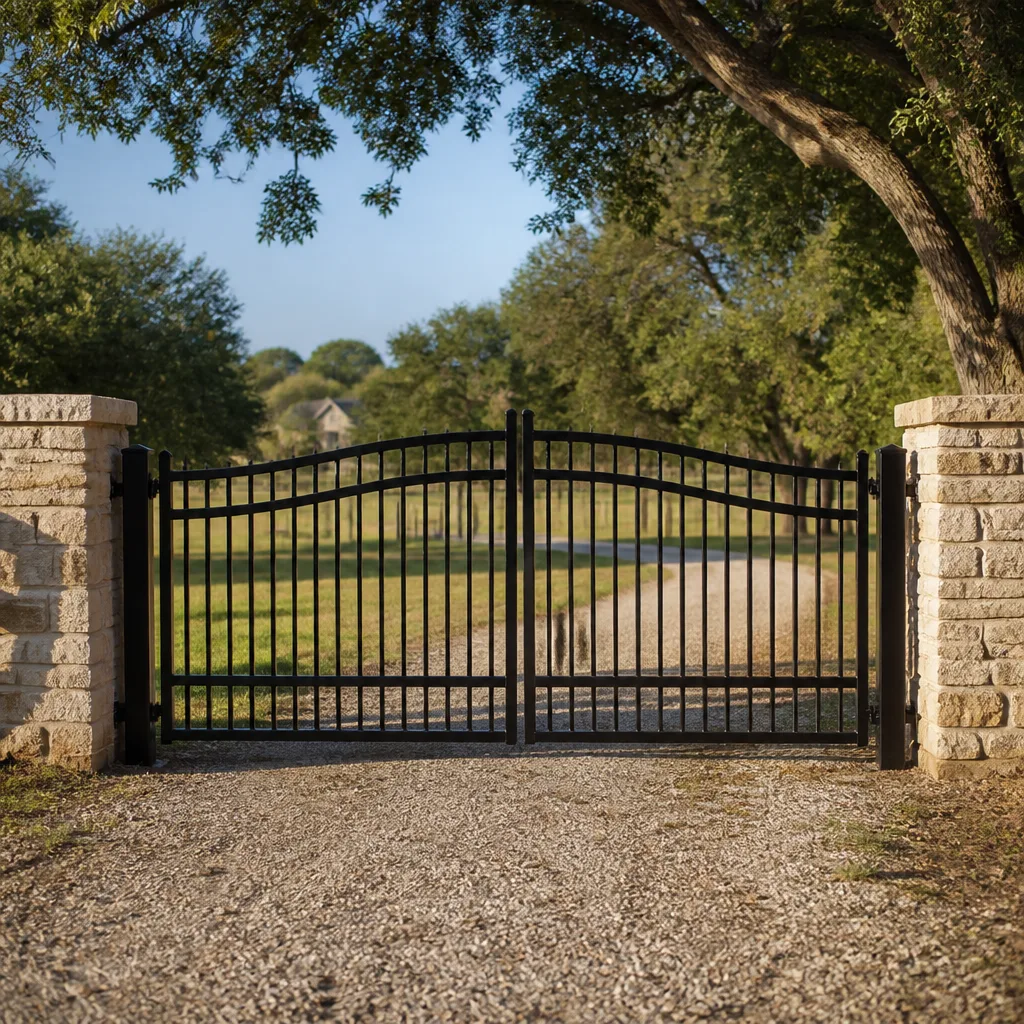
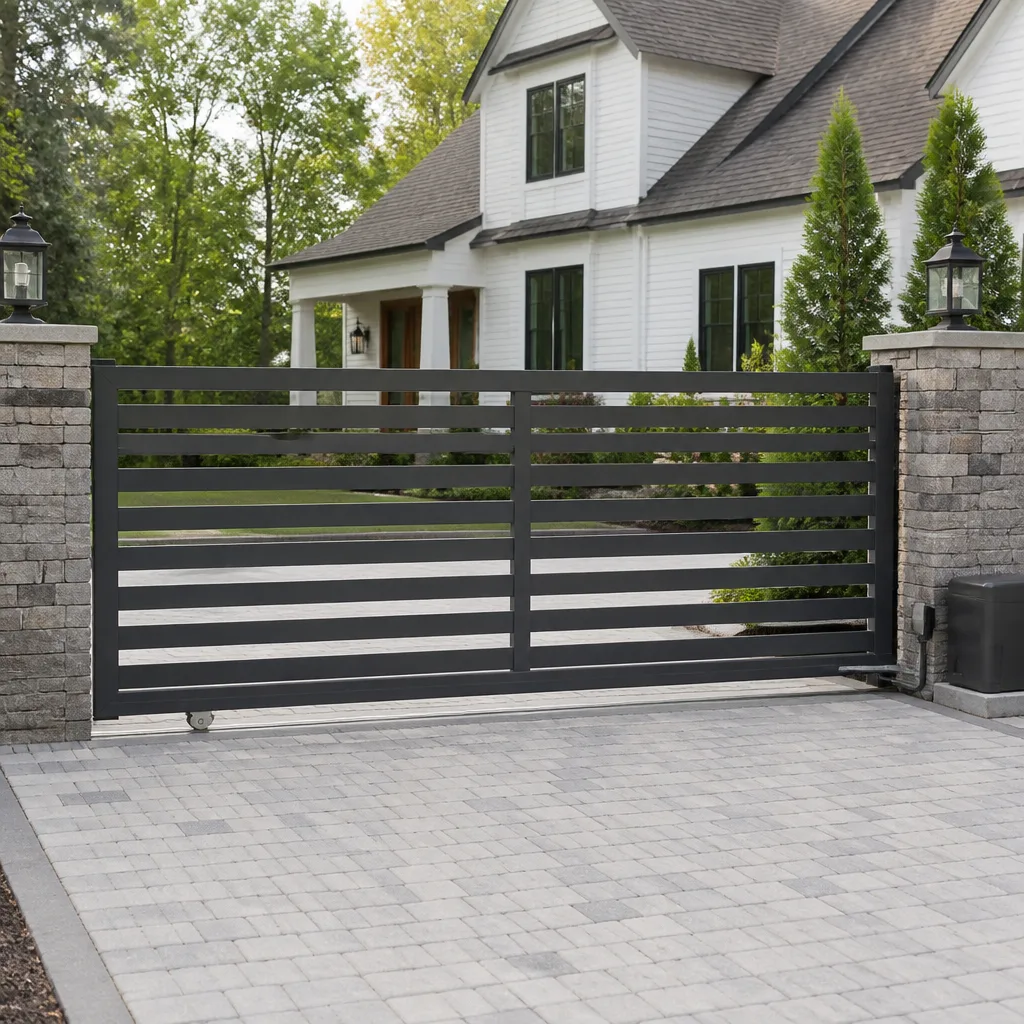
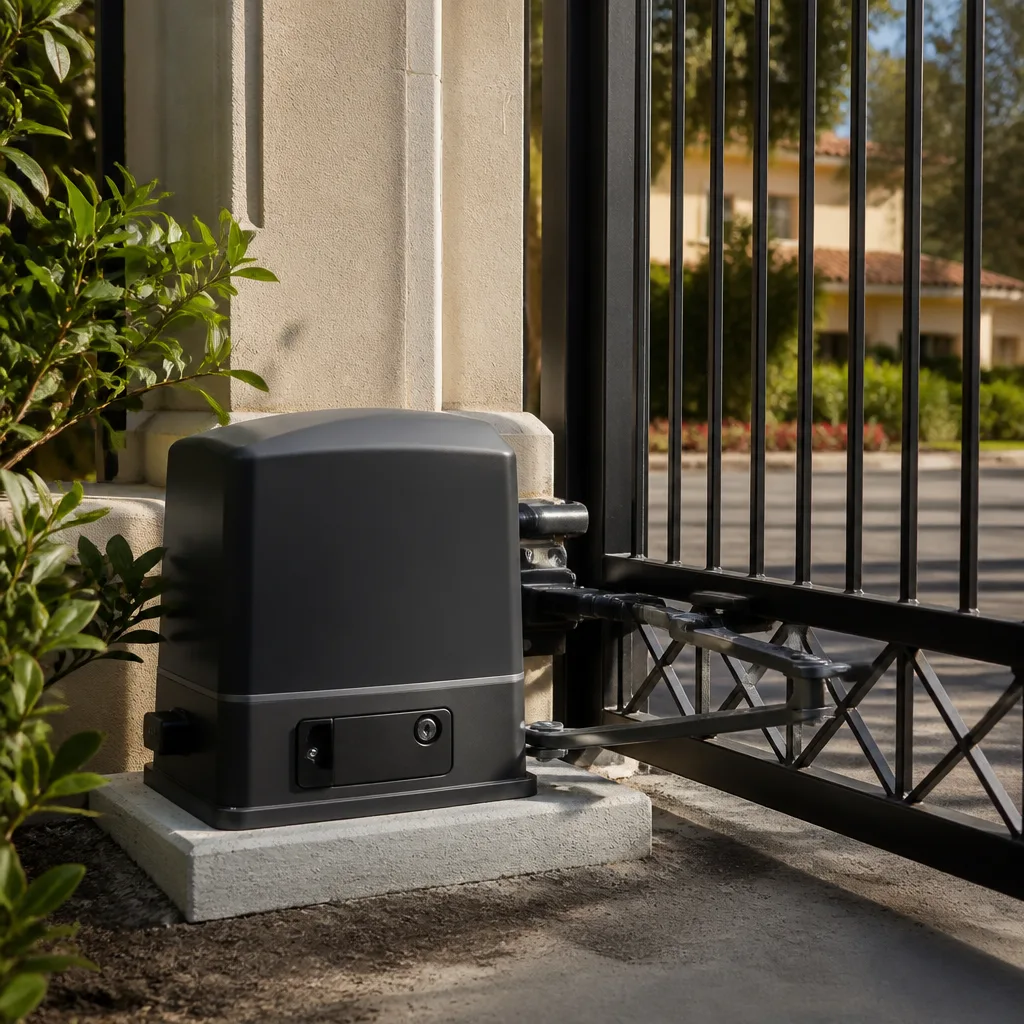
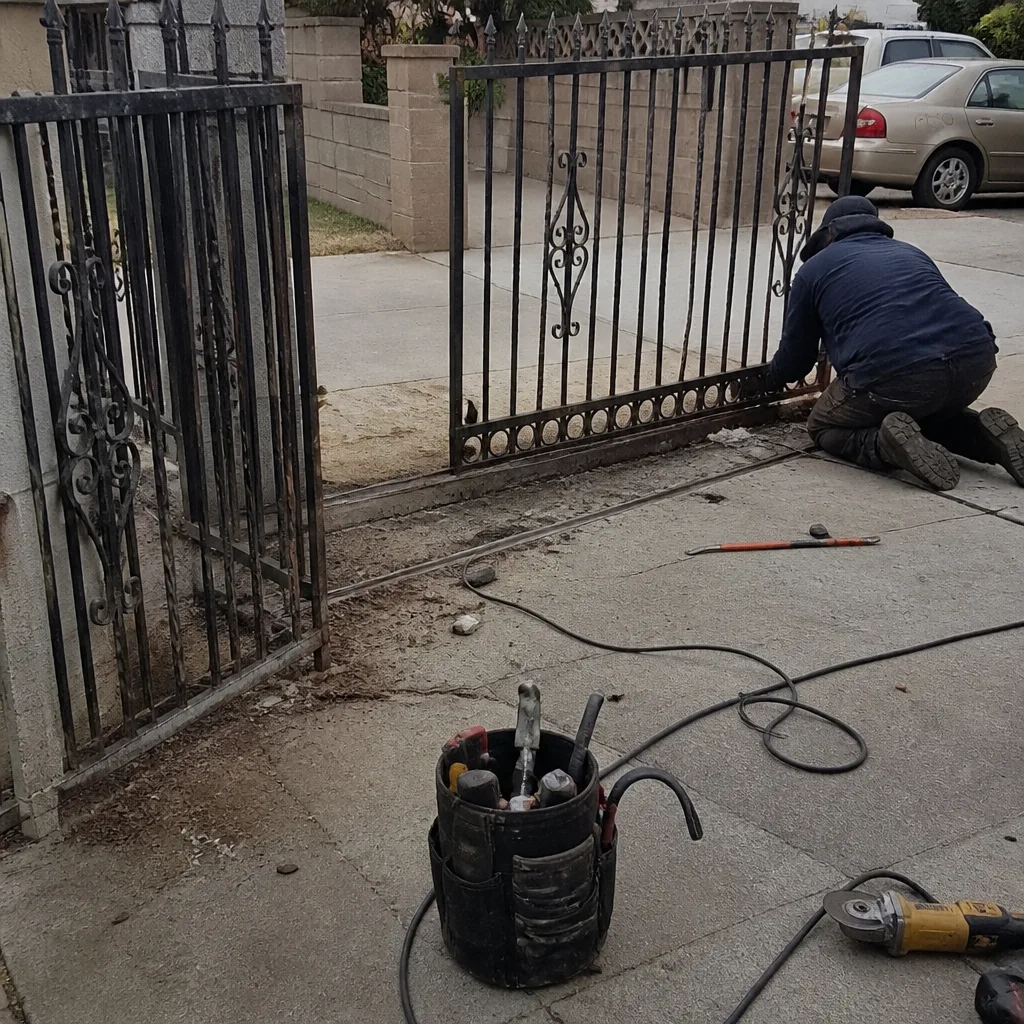 Before
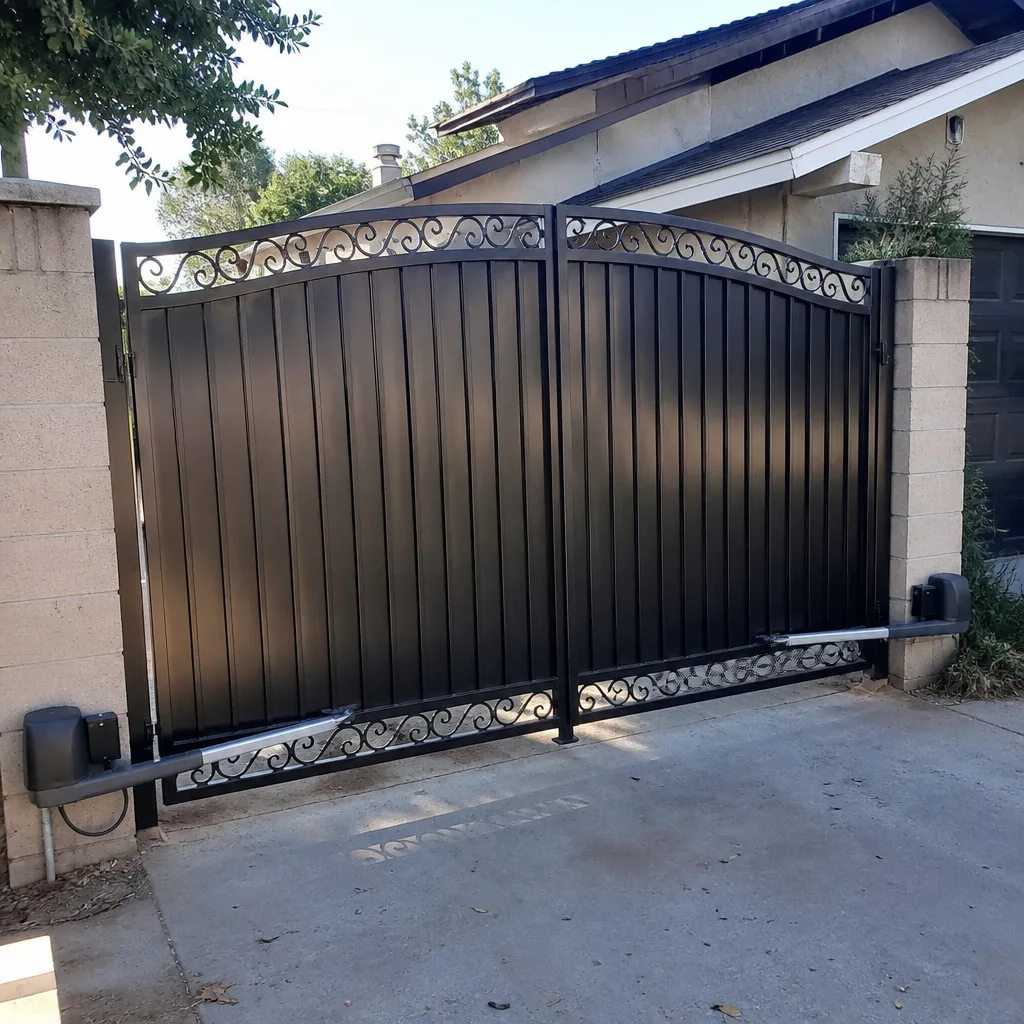 After
After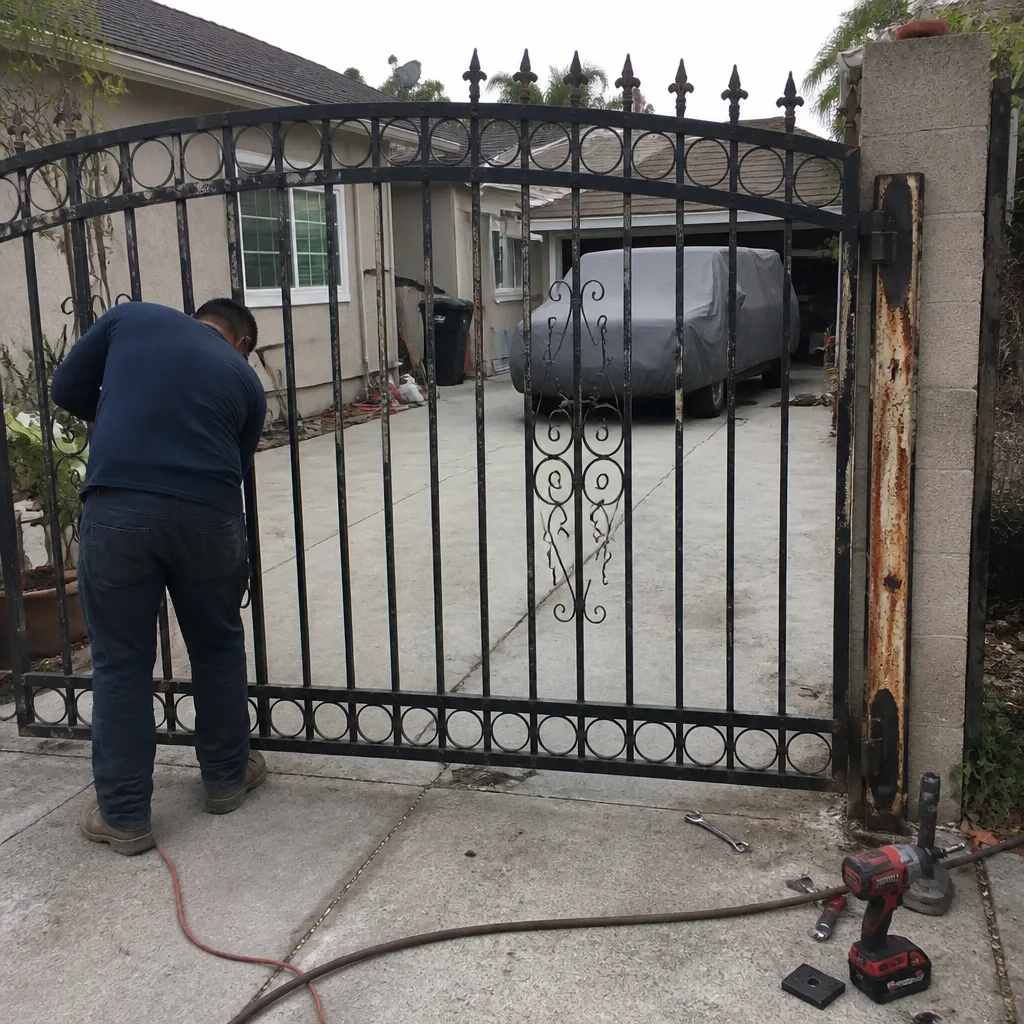 Before
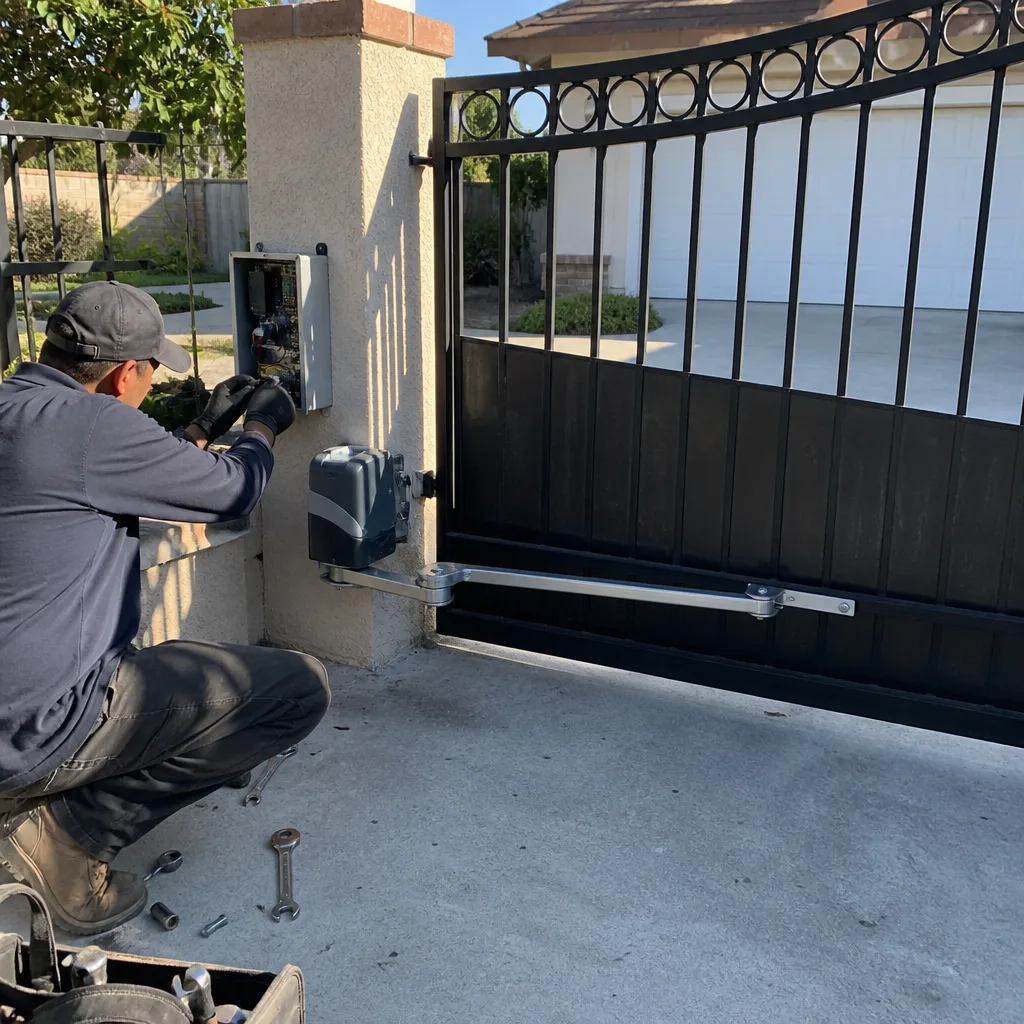 After
After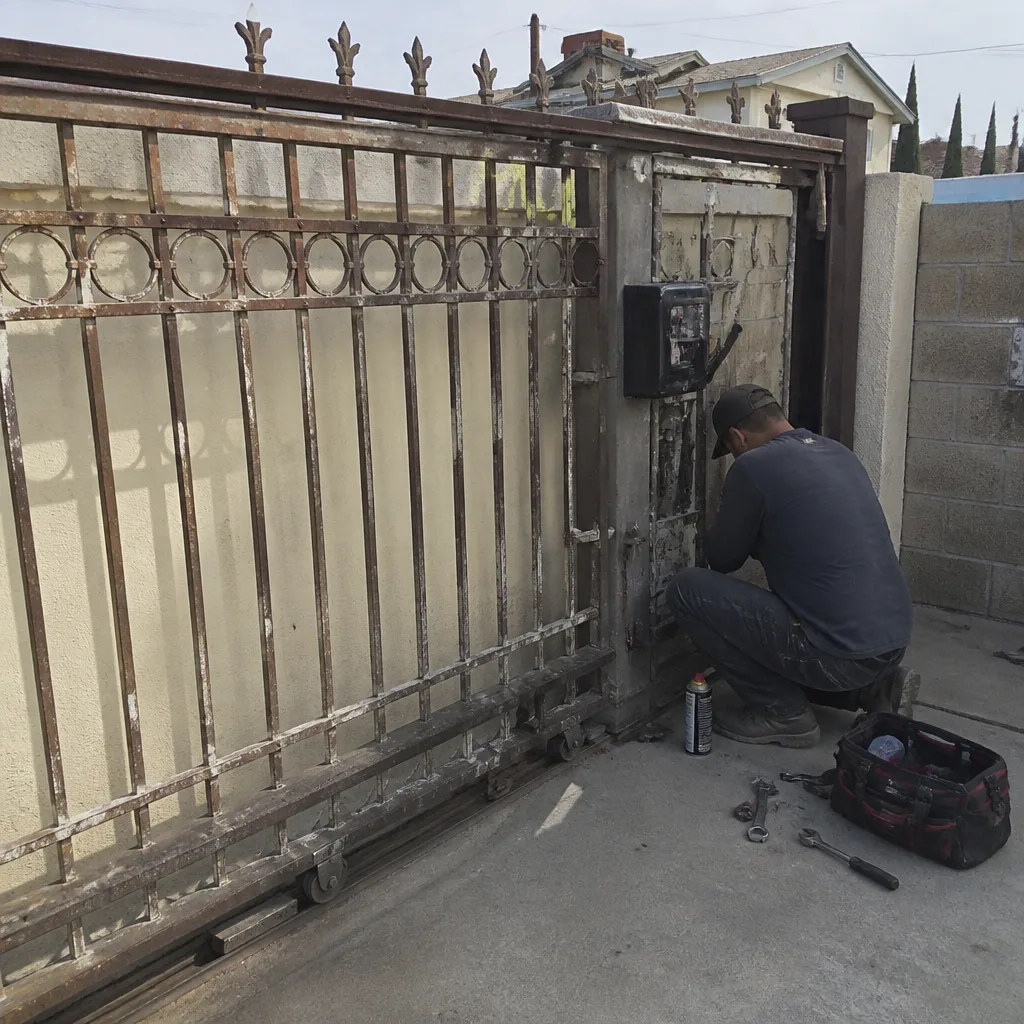 Before
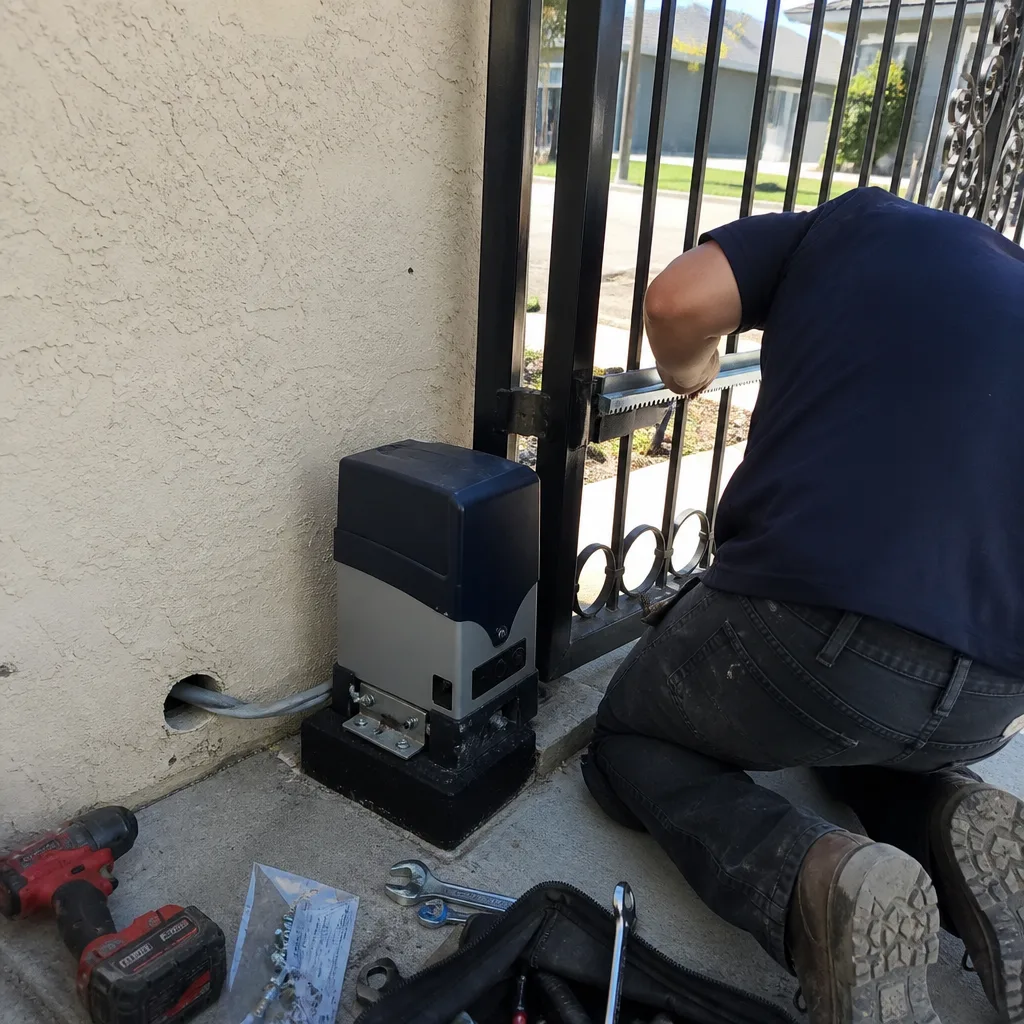 After
AfterGate Repair Permits, Codes & Inspections in CA: What You Need to Know
In California, a surprising number of driveway gate installations are quietly out of compliance, and the homeowner never knows until something goes wrong. It usually surfaces during a property sale, an insurance renewal, or the day a city inspector happens to drive past the job site. In El Monte, where our shop has served homeowners for over four decades, we’ve walked the same streets twice: once to quote a job, and once to help a neighbor sort out a gate that was never permitted to begin with. This guide walks through the actual rules that govern driveway and estate gates in California, what triggers a permit, what codes the inspectors care about, and how to avoid paying for the same gate twice.
Quick Answer
Most automated driveway gates in California require a building permit from the local city or county, and the installation must comply with state safety codes, particularly the UL 325 standard for automated gate operators and California Building Code requirements for vehicular access. Gate repairs that replace existing parts like hinges, motors, or circuit boards typically do not require a permit, but changing the gate’s size, location, or adding a new operator usually does. El Monte, like most Los Angeles County cities, enforces these rules through its Building and Safety division, and unpermitted automated gates can trigger fines or a stop-work order.
Table of Contents
- Do You Need a Permit to Repair or Replace a Gate in California?
- What Actually Triggers a Permit: Repair vs. New Install
- The California Codes That Govern Gates
- UL 325 and Automated Gate Safety: What Inspectors Look For
- El Monte-Specific Rules and Local Enforcement
- HOA and CC&R Considerations for Gates
- What Happens During a Gate Inspection
- Common Mistakes to Avoid
Do You Need a Permit to Repair or Replace a Gate in California?
Here’s the short version: repairing a broken gate almost never requires a permit. Replacing a gate with one of the same size and same operator usually does not. But widening the opening, changing a single swing gate to a double swing, adding an automated opener where one never existed, or installing a new gate post that requires a concrete footing deeper than 24 inches: all of these are permit territory in most California jurisdictions.
California leaves the specifics to local building departments, but nearly all of them follow the same California Building Code (CBC) framework. A general repair that restores the gate to its original condition, using parts that match the original design and function, is considered maintenance. The moment the work changes the dimensions, the weight, the operating mechanism, or the electrical load, the city considers it an alteration.
Here’s a practical breakdown we use when homeowners in El Monte call us with this exact question:
- Hinge replacement, post bracing, weld repairs, track straightening: No permit. This is maintenance.
- Replacing a failed gate motor with the same model or comparable: No permit, though the motor must be UL 325 compliant if it is automated.
- Replacing a single gate panel with an identical panel: No permit.
- Adding an automated opener to a previously manual gate: Permit required in most cities, including El Monte.
- Replacing a manual gate with a larger automated gate: Permit required.
- Moving the gate location, changing the setback, or widening the driveway opening: Permit required, and often a zoning review.
The logic is consistent across California: if the city can argue that the work changes the way the structure interacts with the street, a vehicle, a pedestrian, or a utility line, they want to review it before the concrete cures.
What Actually Triggers a Permit: Repair vs. New Install
If you removed the old gate and set an identical new one in its place, the building department would likely say you performed a repair. If you changed anything about the gate’s footprint, power draw, or safety system, they would call it a new installation. That distinction carries real paperwork.
Here are the four triggers we see most often in Los Angeles County:
- You are adding automation to a manual gate. The moment an electric motor enters the picture, the gate becomes a machine. Machines that move under their own power fall under UL 325, and cities require an electrical permit along with the building permit.
- You are changing the gate’s weight or span. A heavier gate needs a larger post, a deeper footing, and possibly a stronger operator. The city wants a structural calculation or at minimum a licensed engineer’s wet stamp.
- You are changing the setback from the street. If the new gate sits closer to the sidewalk or curb than the old one, the city will want to confirm vehicles can stage off the street while the gate opens. This is a common trigger in El Monte, where many homes were built in the 1940s and 1950s with shallow front setbacks.
- You are adding a pedestrian gate or exit button adjacent to a vehicle gate. This sounds minor, but it changes the safety profile of the entire assembly, and the city treats it as an alteration.
Homeowners sometimes ask us whether they can quietly skip the permit and sort it out later. Here’s the honest answer from 42 years in El Monte: the repair itself will almost certainly succeed. The problem arrives later, during escrow, during an insurance claim, or during a neighbor’s complaint. We have been called to remove and re-permit gates that worked fine mechanically but failed a resale inspection because the paperwork never existed. That second project always costs more than the first one would have, done correctly from the start.
The California Codes That Govern Gates
California regulates gates through a layered system: the state adopts a model building code, local cities amend it, and specific equipment standards govern the mechanical and electrical components. For a homeowner, three documents matter most.
California Building Code (CBC), Volume 1, Chapter 16. This governs structural design loads, including wind and seismic requirements. A gate is technically a fence-like structure, but an automated gate is treated as a moving structure, which means the CBC requires the posts to resist the forces of the gate in motion, not just the gate at rest. In El Monte, where we sit in the San Gabriel Valley, seismic design category D applies to most residential parcels. That means gate posts typically need to be set deeper and anchored more heavily than a homeowner might guess.
California Electrical Code (CEC), Articles 300 and 430. Any automated gate requires a power source, and that power source must be installed per the CEC. Buried conduit depth, GFCI protection on the circuit, and proper grounding all fall under this code. We regularly see gate openers powered by an extension cord run through a garden hose buried a few inches under the soil. That is not code, and it is a fire hazard besides.
California Fire Code, Chapter 5. This governs emergency access. If your gate crosses a driveway that serves as fire apparatus access, the gate must be operable by the fire department. In practice, this means a key switch, a Knox box, or a siren-activated sensor. Older El Monte homes with long driveways and a single vehicle gate often fall into this category, and the fire marshal takes it seriously.
A fourth standard, UL 325, is not a California code per se, but the state has adopted it by reference. It is so important to gate safety that it deserves its own section.
UL 325 and Automated Gate Safety: What Inspectors Look For
UL 325 is the industry standard for automatic gate operators, and California inspectors enforce it on every permitted automated gate installation. The standard is written to prevent entrapment injuries and deaths, which occur when a moving gate catches a person, a child, or a vehicle between the gate leaf and a fixed object.
When an inspector reviews an automated gate in El Monte, here is what they check:
- Entrapment sensors. Every automated gate must have a primary entrapment protection mechanism: either contact sensors (pressure edges) that reverse the gate on contact, or non-contact sensors (photo eyes) that reverse the gate before contact occurs, or both. On a swing gate, the inspector will test the pinch points at the hinge post and the closing edge.
- Reverse mechanism. The operator must reverse direction when it encounters an obstruction. The inspector will physically test this with a solid object.
- Warning signage. Two warning signs are required on each side of every automated gate, with specific language and a specific pictogram. Missing signs are a fast way to fail an inspection.
- Manual release. Every automated gate must have a way to disconnect the operator and move the gate by hand. This is how a homeowner gets a vehicle out or a first responder gets in when the power is out.
- Pedestrian separation. If the gate is the only access to the property and it crosses a driveway, the standard requires either a separate pedestrian gate or a vehicle detection system that prevents the gate from closing on a person walking through the vehicle opening.
We have repaired automated gates in El Monte that were installed before UL 325 was expanded in 2001, and they predate these requirements. When we replace an operator on an older gate, the new operator brings the entire assembly under current UL 325 compliance, whether the homeowner planned for that or not. It is not a bad thing; it is simply the law, and a good gate company builds it into the quote from the start.
One note on the safety side, because it is rarely discussed: high-tension gate springs and heavy gate leaves carry the same stored-energy risk as garage door springs. A gate that suddenly releases its tension can move with enough force to cause serious injury. We do not recommend that any homeowner attempt to remove, adjust, or re-tension a gate spring or cable on their own. The work looks simple until the moment it is not, and the hospital visit costs more than a service call.
El Monte-Specific Rules and Local Enforcement
El Monte operates its own Building and Safety Division, separate from Los Angeles County, and it follows the California Building Code with local amendments. In our experience working here since 1984, the city is practical but thorough: permits are processed by real people, inspections are scheduled in reasonable timeframes, and the inspectors know what a proper gate installation looks like because they have seen enough bad ones.
Specific things to know about El Monte:
- Setback requirements. Many El Monte homes, particularly in the neighborhoods north of Valley Boulevard and east of Peck Road, were platted with short front setbacks. A gate installed too close to the sidewalk can encroach on the public right-of-way, and the city will flag it.
- Electrical permits. El Monte requires a separate electrical permit for automated gate operators, in addition to the building permit for the gate structure. A licensed contractor typically pulls both under one application with the structure permit as the parent.
- Soil conditions. The San Gabriel Valley has expansive clay soils in many areas, and gate posts set in shallow concrete footings will lean within a few seasons. The city’s standard detail for gate posts calls for deeper footings than a typical fence post, and an inspector will verify depth before the concrete pour.
- Plan check for custom gates. If the gate is custom-built, oversized, or spans more than 12 feet, El Monte typically requires a plan check with engineering calculations. Off-the-shelf gates from a manufacturer can often be permitted over the counter with a simple submittal.
We have also seen El Monte take a cooperative approach with homeowners who discover an unpermitted gate during a sale. The city typically allows a retrofit permit, provided the gate can be brought into compliance. That process requires an inspection first, then a correction list, then a final sign-off. It is paperwork, but it is far better than tearing out a working gate.
HOA and CC&R Considerations for Gates
City permits are only half the story. Many California homes sit inside a homeowners association or are governed by deed restrictions known as CC&Rs (covenants, conditions, and restrictions). A gate that passes a city inspection can still violate an HOA’s design guidelines, and HOAs have the legal power to force a removal.
In our area, the older El Monte neighborhoods tend to be free of association control. But the newer developments east toward the 605 freeway, and many gated communities throughout the San Gabriel Valley, carry HOA covenants that regulate gate height, color, material, and even the brand of gate opener.
If you live in an HOA, here is the sequence that works:
- Pull the HOA design guidelines before you call a gate company. Many associations have a specific approval form and a review period of 30 to 60 days.
- Submit the design application with a simple drawing and, if required, a material sample. Do not skip the sample; boards reject applications on color alone.
- Wait for written approval before signing a gate contract. Verbal approval from a board member is not binding.
- Once the city permit and the HOA approval are both in hand, schedule the installation.
The unglamorous truth we tell El Monte homeowners is this: the gate is the easy part. The approvals are the project. A company that does this work regularly will handle the paperwork as part of the job, and that is one of the quiet differences between a gate specialist and a general handyman.
What Happens During a Gate Inspection
When the city sends an inspector to sign off on a permitted gate, the visit follows a predictable path. Knowing what they look for removes the anxiety, and it keeps the project from dragging into a second inspection cycle.
The inspector arrives with the approved plans in hand and checks the following:
- Concrete depths and post placement. For a new gate, the inspector will verify the post footing depth before concrete is poured, then return for the final inspection after the gate is hung and the operator is wired.
- Operator installation. The opener must be mounted per the manufacturer’s instructions, and the inspector will check the model number against the approved plans.
- Electrical and grounding. The circuit must be GFCI protected, the conduit must be buried to code, and the grounding must be continuous.
- Safety devices. The inspector will test the entrapment sensors, the reverse mechanism, the manual release, and the warning signage. On a swing gate, they will check both closing edges and the hinge-side pinch point.
- Setback and swing path. The gate must not swing over the sidewalk or into the public right-of-way at any point in its travel.
A typical El Monte gate inspection takes 20 to 30 minutes if the work is right. If the inspector finds a correction, they issue a written list, and the contractor returns to address it before the reinspection. We treat the inspection as the last quality check on our own work, not as an obstacle, and we prefer to be on site when the inspector arrives so any question gets answered on the spot.
Key Takeaways
- Gate repairs rarely need a permit; new installations, added automation, and structural changes usually do.
- UL 325 safety compliance is mandatory on every automated gate in California, and inspectors test it in person.
- El Monte requires permits for most automated gate work, including a separate electrical permit for the opener.
- HOA rules can override city permits, so check the CC&Rs before signing any contract.
- Skipping the permit works until the house is sold, insured, or inspected; at that point the unpermitted gate becomes a liability.
Common Mistakes to Avoid
- Moving the gate without checking the right-of-way. A gate that encroaches on the sidewalk or the public strip will be red-tagged, even if the install is otherwise perfect. In El Monte, older lots with shallow setbacks make this a frequent problem.
- Using a fence contractor for an automated gate. Fence companies build fences; gate automation requires a different license class and a working knowledge of UL 325. We have rebuilt gates installed by good fence crews who did not understand entrapment sensors.
- Skipping the structural engineering on a heavy gate. A 500-pound steel gate hung on undersized posts will sag, bind, and eventually burn out the opener. The city asks for engineering for a reason, and skipping it costs more in the end.
- Burying the electrical line without calling the permit in. An underground electrical feed to a gate operator requires a trench inspection before backfill. Pouring dirt over an uninspected conduit means digging it up again.
- Assuming a gate repair company will handle the permits. Some do, some do not, and the difference matters. Ask before you sign. A license-holding contractor is legally responsible for pulling permits on work that requires them.
- Ignoring the HOA until the gate is installed. An association can force a tear-down, and they have counsel who will write that letter. Get the approval in writing first, always.
When to Call a Professional
A homeowner can manage a squeaky hinge or a keypad battery without help. The moment the project involves a motor, a concrete footing, a buried wire, or a city permit, the calculation changes. Automated gates are heavy machines, and the safety standards exist because the failures are unforgiving. If your gate is leaning, if the opener reverses for no reason, if the safety sensors have been bypassed, or if you are planning a new gate and want the paperwork handled correctly, call a company that does this full time. Ironworks Gate Co. offers free estimates in El Monte, and we have been standing behind gate work in the San Gabriel Valley for over 42 years. Call (424) 300-8579, and a live person will answer, day or night.
Frequently Asked Questions
Gate permit fees in El Monte vary by project scope, but a typical residential automated gate permit runs in the low hundreds of dollars, with the electrical permit adding a smaller separate fee. The exact figure depends on the gate’s value, the plan check requirement, and the city’s current fee schedule. Call (424) 300-8579 for a current estimate based on your specific gate; we’ll quote the permit work a clearly as part of the written estimate.
Yes, replacing an existing gate opener with a comparable UL 325 compliant model is considered a repair and does not require a permit in most California cities, including El Monte. The replacement must not change the gate’s weight, span, or electrical load beyond the original design. If you are adding automation to a manual gate, that is an alteration and a permit is required.
The required setback varies by lot and zoning, but El Monte generally requires a driveway gate to be set back far enough that a vehicle can park fully on the property while the gate opens, without blocking the sidewalk or the street. On older El Monte lots with shallow front yards, this often limits homeowners to sliding gates or tight-configuration swing gates. A site visit and a city plan check will confirm the exact number for your parcel.
Any automated gate that receives a new operator in California must meet current UL 325 entrapment protection requirements, including working sensors and warning signage. An older gate that already has a functioning operator is grandfathered until the operator is replaced, but once the work begins, the entire assembly must come into compliance. We correct sensor gaps on older El Monte gates during routine operator replacements.
Insurers in California have denied claims related to unpermitted structures when the loss involves the structure itself, and an unpermitted automated gate can complicate a liability claim if an injury occurs. The cleanest path is to have the gate permitted from the start, or to pursue a retrofit permit if the gate was installed without one. Call (424) 300-8579 if you need help sorting out a gate’s permit status; we have walked this path with El Monte homeowners before.
Yes, a homeowner can pull a building permit as the owner-builder in California, but the work must still meet code, and the homeowner assumes liability for the installation. For automated gates, where UL 325 compliance and electrical safety are involved, most El Monte homeowners hire a licensed contractor who carries the permit, the insurance, and the responsibility for the final inspection. A gate that fails an inspection is the homeowner’s problem either way, so it pays to have a professional on the hook for it.
The Bottom Line
A gate in California is not just a gate. It is a structure, a machine, and a safety device, and each of those identities carries its own set of rules. Repairs are simple. Alterations are bureaucratic. Automation adds UL 325 compliance to the checklist. In El Monte, where setbacks are tight and the soil is forgiving of nothing, the details matter more than most homeowners expect. The shortest path to a gate that lasts is a permitted installation, a compliant operator, and a company that answers the phone when the gate stops closing at 11 p.m. That is what we do, and the price is set before a single bolt is turned.
For gate repair, replacement, or a free second opinion on any written estimate, call Ironworks Gate Co. at (424) 300-8579. A live person answers, 24 hours a day, 7 days a week.
Written by Victor Salinas, Owner at Ironworks Gate Co., serving El Monte since 2013.